By
By
Introduction
Everybody know that Branding isn’t just logos, colors, or “aesthetic.” Strong brands live inside people’s minds. They shape how we feel, what we trust, and what we buy again and again.
If you want to build a business that lasts — not a hype wave that dies in six months — you need to understand the psychology behind strong brands.
This matters even more today because attention is short, competition is brutal, and customers choose with emotion first, logic second. The brands that win? They use psychology intentionally. They design meaning, not just marketing.
In this post, I’ll break down the psychological principles behind strong brands using simple language, real examples, and actionable steps you can apply today.

What is Brand Psychology?
Brand psychology is understanding how people think, feel, and behave and then building your brand around those natural human patterns. It’s not manipulation. It’s alignment.
Your goal is simple:
Make people trust you, remember you, and choose you.
Here’s the simplified definition:
Brand psychology is how your brand positions itself in the customer’s brain and
how it makes them feel.
Strong brand psychology means:
-
People know what you stand for.
-
They feel something when they see you.
-
They trust you enough to come back.
Weak brand psychology means:
-
You blend in.
-
Customers forget you.
-
You must always discount or chase attention.

Why Brand Psychology Matters?
1. Humans Choose Emotion Before Logic
Neuroscience says 95% of decisions come from the subconscious.
Meaning: People don’t buy your product.They buy how you make them feel.
2. Trust Creates Pricing Power
If people trust you, you don’t need to be the cheapest. Starbucks isn’t cheap.
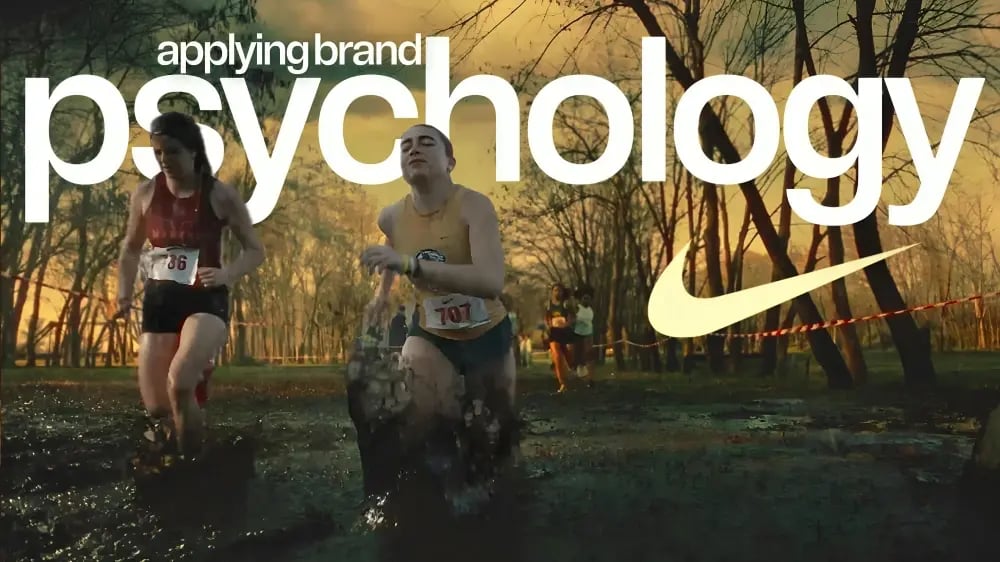
Nike isn’t cheap. But they feel reliable.
So, they bought it without looking at the price.
3. Brand Recognition Makes Less Marketing Costs
When people know your brand, your marketing becomes cheaper.
You don’t need to scream. You just show up.
4. A Strong Brand Makes Scaling Easier
Investors, partners, and customers all want the same thing: Stability.
If your brand feels strong psychologically, people believe you’ll grow.
How to apply Brand Psychology
Step 1: Know the Emotion You Want People to Feel
Every strong brand is built around one core emotion.
For examples:
-
Nike: motivation, discipline, becoming your best.
-
Apple: creativity, individuality, premium quality.
-
Rolex: success, status, achievement.
-
Coca-Cola: happiness, nostalgia, joy.
You must choose your emotion first.
If you don’t choose, people don’t feel anything.
Ask yourself:
“What emotion should people feel every time they see my brand?”
Once you know it, build EVERYTHING around it:
-
Your color
-
Your tone
-
Your content
-
Your story
-
Your visuals
-
Your customer experience
Emotion = foundation.
Step 2: Build a Consistent Identity
People only remember what they repeatedly see.
If your brand keeps changing like color, vibe, message, style.
People won’t trust it. I am pretty sure to tell this.
Consistency builds memory.
Memory builds trust.
Trust builds sales.
Here’s what consistency really means:
-
Consistent colors
-
Consistent font
-
Consistent messaging
-
Consistent character/personality
-
Consistent posting style
-
Consistent behavior
You don’t need to be fancy. You just need to be predictable.
Step 3: Create a Brand Character that People can Understand
Your brand must behave like a “person.”
Because humans connect with humans, not corporations.
Ask yourself:
“If my brand was a person, what type would it be?”
Examples:
-
Nike → the strict coach
-
Apple → the perfectionist creator
-
Patagonia → the nature-lover activist
-
Gymshark → the disciplined gym bro
Your brand also needs:
-
A “voice”
-
A set of values
-
A clear personality
-
A clear stance
When your brand has a character, it becomes easier for people to connect emotionally.
Step 4: Use Storytelling as Your Main Weapon
Humans evolved to understand stories.
Facts are boring. Stories activate emotions.
Strong brands always tell stories:
Nike tells stories of athletes and personal growth.
Red Bull tells stories of extreme sports and pushing limits.
Tesla tells a story of the future.
Your story must give people a reason to believe in you.
Ask yourself:
-
Why did I start?
-
What problem am I trying to solve?
-
What future am I fighting for?
-
How do I want people to change through my brand?
Your story doesn’t need to be dramatic.
It just needs to be true.
Step 5: Build Trust with Proof
Emotion attracts people. Proof keeps them.
Strong brands always show:
-
Testimonials
-
Case studies
-
Before/after
-
Data
-
Social proof
-
Partnerships
-
Community results
-
Brand consistency over time
Without proof, your brand feels like “just another page.” People trust what they can see.
Step 6: Make Your Brand Easy to Remember
A simple brand wins long-term.
Complex brands die because customers can’t remember anything.
Keep everything simple:
-
Simple logo
-
Simple colors
-
Simple brand message
-
Simple product range
-
Simple website layout
-
Simple promise
Minimalism = clarity.
Clarity = trust.
Think about this:
The strongest brands in the world use 1-2 main colors, a simple logo, and a one-line message.
It works because the brain loves simplicity.
Step 7: Build a Community, Not Just Customer Base
A community is the final level of brand psychology.
People like emotion. They are always sharing informations to others.
This is why, word of mouth marketing is still worked
Because community = belonging.
Belonging is the deepest human emotion.
When people feel part of something, they stay loyal.
Examples:
-
Runners love Nike because they feel part of the “athlete” identity.
-
Gym people love Gymshark because it feels like a tribe.
-
Entrepreneurs love Apple because it symbolizes creativity and ambition.
Your brand should create a group identity:
“People like us choose brands like this.”
Create a culture.
Make people feel included.
Build rituals.
Build events.
Share wins from the community.
Community = unstoppable brand.
If you have a strong community behind you, you've already win the game.
-Cover.jpg?width=1000&height=558&name=Blog2(1)-Cover.jpg)
Common Mistakes to Avoid
1. Focusing only on visuals
Brand psychology is deeper than logos.
Logos don’t build trust alone. Emotion does.
2. Trying to appeal to everyone
If you stand for everything, you stand for nothing.
Choose your tribe.
3. Constantly changing brand identity
Switching colors and styles too often kills trust.
Pick a lane and stay consistent.
4. Making the brand about yourself only
People don’t follow ego. They follow meaning.
on 5. No storytelling
Information doesn’t move people.
Stories do.

Conclusion
Strong branding is not magic. It’s psychology.
It’s understanding human emotion, building trust, and communicating clearly.
When you apply the psychology principles above, your brand stops looking like “just another page” and starts becoming something people remember, trust, and choose.
The future belongs to brands that connect on a deeper level.
If you want to build a brand that lasts — build it with emotion, not just design.

-Cover.jpg)