By
By
Most founders believe consumers choose brands because of features, pricing, or rational comparison. That belief feels logical, structured, and controllable. It is also wrong.
In reality, the human brain decides first and explains later. By the time someone says, “I like this brand because…”, the decision has already happened at a subconscious level. Logic does not lead the decision. It arrives afterward to justify it.
This is why technically inferior brands dominate markets.
This is why storytelling outperforms specifications.
This is why “better products” consistently lose to better-perceived brands.
Brand preference is not a logical outcome. It is a neurological one.
This article breaks down how brand perception actually forms inside the brain, using neuroscience rather than marketing theory. You will understand how the brain evaluates brands in milliseconds, why emotion precedes reason, how familiarity turns into trust, and why founders must design perception before creating content, offers, or funnels.
This is not about manipulation.
This is about understanding reality and building brands that work with the brain instead of against it.
What Brand Perception Really Is (Neuroscience View)
Brand perception is not what people say about you. It is what their brain feels about you before they can articulate anything.
From a neurological perspective, brand perception is the sum of emotional, sensory, and identity-based signals processed automatically when the brain encounters a brand. This processing happens before conscious thought, before language, and before logic.
When someone encounters your brand—your logo, content, tone, website, face, or voice like the brain instantly runs a subconscious scan. It asks three questions without asking permission:
Is this familiar or unfamiliar?
Is this safe or risky?
Does this feel aligned with who I am?
These questions are answered in fractions of a second. The person does not feel them happening. They only feel the result.
This is why perception is not controlled by what you say, but by how your brand registers emotionally.
The Three Brain Systems That Decide Brand Preference
To understand why perception forms before logic, we need to understand how the brain is structured.
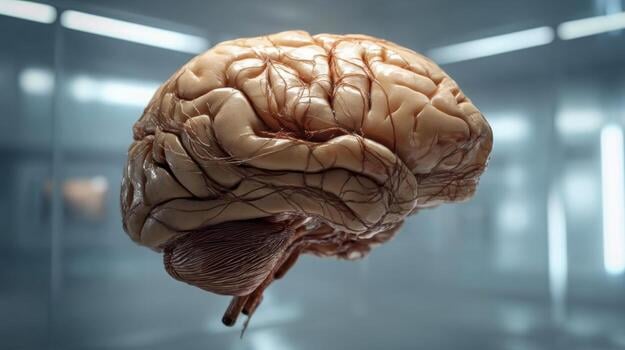
Brand decisions involve three major brain systems working in sequence, not in parallel.
The first is the reptilian brain, responsible for survival and risk detection. This system is primitive but powerful. Its only concern is whether something feels threatening, uncertain, or costly.
The second is the limbic system, which governs emotion, memory, attachment, and preference. This is where feelings of liking, trust, resonance, and identity alignment form.
The third is the prefrontal cortex, which handles reasoning, explanation, and justification. This is the part of the brain people believe they are using when they say they are being “logical.”
Here is the critical insight most founders miss:
Brands are chosen in the limbic system and justified in the prefrontal cortex.
By the time logic activates, the decision has already been emotionally approved or rejected.
Why the Brain Decides Before Logic
The brain is not designed to think deeply by default. Thinking is expensive. It consumes glucose, attention, and cognitive energy. Instinctive judgment is cheaper and faster.
To survive, the brain evolved to use mental shortcuts known as heuristics. These shortcuts allow the brain to make rapid decisions without full analysis.
In brand perception, these shortcuts dominate.
The brain prefers what is familiar over what is unfamiliar. It prefers clarity over complexity. It prefers stability over unpredictability.
When a brand feels confusing, inconsistent, or noisy, the brain interprets that as risk. Risk activates resistance. Resistance shows up as hesitation, delay, or disengagement.
This is why clarity consistently outperforms creativity in brand building. Creativity without clarity increases cognitive load. Cognitive load triggers avoidance.
Emotion Comes First, Reason Comes Later
The limbic system is the real decision-maker in brand preference.
This system governs emotion, desire, fear, attachment, and memory. It does not respond to features or rational arguments. It responds to feeling, relevance, and identity.
When a brand connects emotionally, the limbic system tags it as meaningful. That tag tells the brain, “Store this. Remember this. Return to this later.”
When a brand fails to trigger emotion, it is processed as neutral. Neutral information is discarded.
This is why people remember how a brand made them feel but forget what it said. This is why loyalty forms around brands that feel “right,” even when alternatives are objectively similar.
A brand without emotional identity is neurologically invisible.
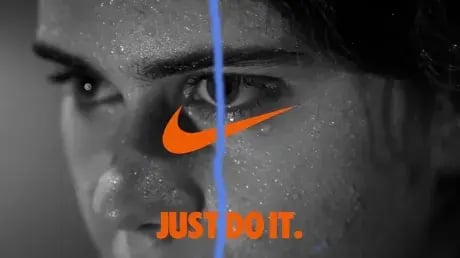
For example, Nike: The "Just Do It" campaign doesn't focus on the technical specifications of their shoes; instead, it taps into the emotions of aspiration, determination, and heroism. Consumers feel inspired and ready to overcome their inner challenges, and then choose Nike products to support that feeling.
The Brain Filters Brands Like Threats
(Why Most Brands Are Rejected Instantly)
Before a brand is evaluated, it is screened. The brain’s first job is not appreciation, but protection. Anything unclear, inconsistent, or unfamiliar is treated as potential threat. This happens subconsciously and instantly. When founders overload their brand with mixed messages, changing tones, or unclear positioning, the brain doesn’t analyze that it rejects. Rejection isn’t emotional; it’s neurological. A brand that feels unpredictable activates avoidance. This is why clarity is not a branding preference. It is a survival requirement.
Attention Is Borrowed, Memory Is Earned
(Why Visibility Alone Is Worthless)
Getting attention is easy. Keeping memory is rare. The brain treats attention as temporary access, not ownership. A brand can interrupt someone’s feed, but memory requires emotional permission. Without emotional relevance, attention evaporates within minutes. This is why brands with massive reach still feel invisible. They borrowed attention but never earned memory. Strong brands don’t chase reach. They design moments that the brain decides are worth storing.

Why Repetition Creates Trust (The Familiarity Effect)
One of the strongest forces in brand perception is familiarity.
Neuroscience calls this the mere exposure effect. The more often the brain encounters something consistent, the safer it feels. Familiarity reduces uncertainty. Reduced uncertainty increases trust.
This does not mean repetition through spam or noise. It means consistent presence with consistent beliefs.
When a founder shows up repeatedly with the same worldview, tone, and standards, the brain begins to label them as predictable. Predictability is interpreted as safety.
This is why personal brands often outperform faceless companies online. Humans are easier for the brain to model, predict, and trust than abstract institutions.
First Impressions Are Formed Before Content Is Read
Research shows that the brain forms first impressions in under 100 milliseconds.
That means before someone reads your headline, watches your video, or understands your offer, their brain has already decided how it feels about you.
This impression is formed through non-verbal signals such as visual discipline, confidence of tone, identity clarity, and emotional energy. Calm feels safe. Desperation feels risky.
Founders who ignore this build friction into their brand without realizing it. They think conversion problems are about messaging, when they are actually about perception.
For example, Tiffany & Co.: The distinctive Tiffany Blue (a registered trademark color) is instantly recognizable on its packaging. Seeing that specific robin's egg blue box immediately evokes feelings of luxury, exclusivity, and special occasions before the recipient even knows what is inside
Why Features Rarely Create Preference
Features speak to logic. Preference lives in emotion.
When brands lead with tools, tactics, or specifications, they are speaking to the wrong part of the brain. The limbic system does not care how something works until it cares that it matters.
The correct neurological order is emotion first, identity second, logic last.
Emotion answers why this matters.
Identity answers who this is for.
Logic explains how it works.
When this order is reversed, the brain disengages.

Case Study: Why Daniel Dalen and Iman Gadzhi Work
Daniel Dalen and Iman Gadzhi operate very differently, yet both succeed because they align with the same neurological principles.
Daniel Dalen uses calm tone, long-form thinking, and consistent worldview to reduce threat. His anti-hustle stance creates a clear enemy. The brain reads him as safe, thoughtful, and credible.
Iman Gadzhi uses strong identity, clear opposition, and repetitive beliefs to simplify decision-making. The brain reads him as certain, confident, and directional.
Different styles. Same brain mechanics.
Neither persuades aggressively. Both allow the brain to decide naturally.
Designing Brand Perception Intentionally
For founders, brand perception must be designed before content production.
The first step is defining emotional intent. How should people feel after encountering your brand? Calm, grounded, challenged, empowered, disciplined?
Emotion must be intentional, not accidental.
The second step is choosing clarity over novelty. Confusion kills trust faster than imperfection.
The third step is repetition. If the message feels boring to you, it is finally becoming familiar to the audience.
The final step is reducing cognitive load. Simplify language, visuals, and structure until the brain can process your brand effortlessly.
Why Founders Get This Wrong
Most founders over-explain instead of anchoring emotion. They change positioning too often. They lead with tactics instead of thinking. They mistake novelty for value.
These mistakes are not just marketing errors. They create neurological friction.
When the brain feels friction, it pulls away.
Brand Building Is Perception Engineering
Brand building is not persuasion. It is perception engineering.
The strongest brands do not convince people. They feel right before they are understood.
Founders who want to build brands that compound through media must stop thinking like marketers and start thinking like brain designers.
Because in the end, you are not competing on features, pricing, or even quality.
You are competing inside someone’s mind.
Final Thought
The brain decides emotionally before logic ever speaks.
Perception forms in milliseconds. Familiarity creates trust. Identity simplifies choice. Emotion installs memory.
Logic only arrives to explain what the brain has already chosen.
If your brand feels right, it wins quietly.
If it feels risky, no argument will save it.
That is how the brain decides.
-Cover.jpg)