
 By
By
Introduction
Building a business alone hits different. No co-founder to debate with, no team to lean on, no one to fix your mistakes. But honestly, that’s the beauty of it. When you build something from scratch by yourself, you learn faster, fail faster, and level up faster. A media-driven business — where content is the engine — is one of the most powerful ways a solo founder can compete with bigger players.
In this post, I’ll break down exactly how I built a media-driven business alone, how I used content to attract clients, how I structured my workflow, and how I stayed consistent when everything relied on me. If you’re a solo entrepreneur trying to build influence, income, and a brand at the same time, this guide will give you a clear roadmap.

What is a media-driven business?
A media-driven business is a business where content is the growth engine, not ads, not referrals, not luck.
It means:
-
You attract customers through consistent content.
-
You build trust through storytelling and education.
-
People follow you → People trust you → People buy from you.
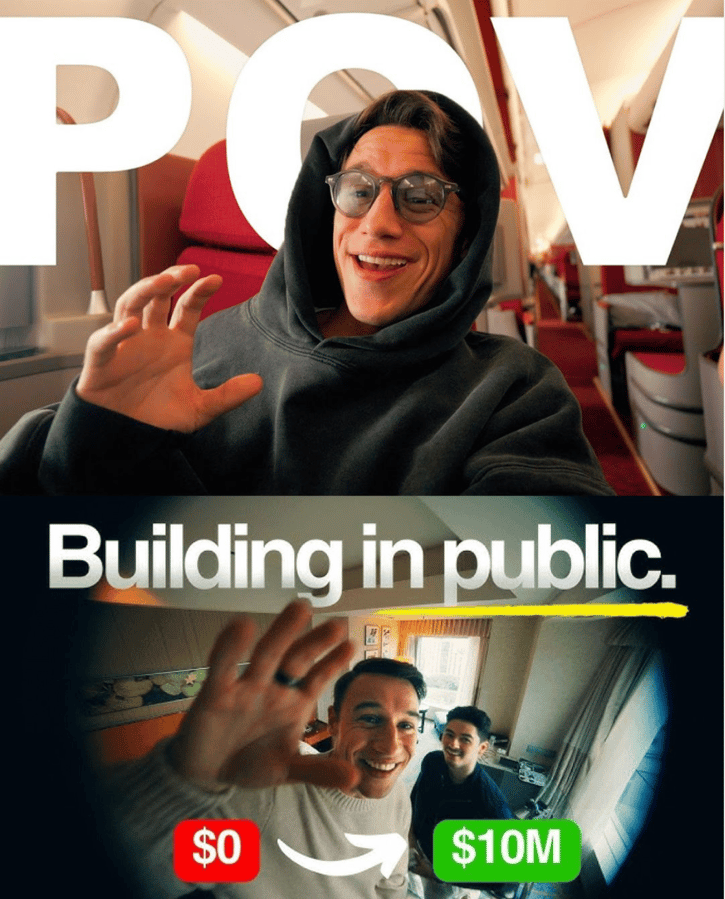
Think: Daniel Dalen, Alex Hormozi, GaryVee, Iman Gadzhi, even small solo creators with niche power.
Your media is your marketing team.
Why matters
A media-driven business gives a solo founder unfair advantages:
-
Zero ad spend necessary
-
Instant authority through valuable content
-
Scalable trust leads people “know you” before they ever DM you
-
High-ticket inbound leads (people come to you)
-
Personal brand compounding is like content today pays you for years
When you’re building solo, you need leverage. Media is leverage.

This is How I Built My Media-driven Business
Step 1. Define my vehicle before I started
Before creating content, I got clear on what I wanted to be known for.
My identities: Athlete + Entrepreneur + Media Creator.
The vehicle: Personal branding + social media content + storytelling.
Once I locked it in, everything became easier:
-
My topics were consistent.
-
My personality came through naturally.
-
My audience understood exactly who I was.
Step 2. I built simple but powerful content system
A solo founder must build a system, not rely on motivation.
My system:
-
Daily documenting (short-form content)
-
Weekly long-form value posts (like this blog)
-
Monthly hero pieces (deep videos, mini-docs, case studies)
The system brings:
-
Consistency
-
Clarity
-
Momentum
- Authenticity
A content system = a trust-building machine.
Step 3. I use storytelling as a weapon
People don’t want a perfect entrepreneur. They want someone they can relate to.
I shared:
-
my mistakes
-
my struggles
-
behind-the-scenes of building
-
wins & losses
-
lessons from real experiences
That storytelling made people DM me saying:
“Bro, I trust you. Help me build my brand.”
That’s media power.
Step 4. I Converted Attention into Revenue
Followers don’t equal money. Systems equal money.
My revenue engine:
-
DM funnel
-
Free value → trust → conversation → sale
-
No pressure selling
-
Show don’t tell with my work
This allowed me to close high-ticket clients while still acting as a solo founder.
Step 5. I Optimized and Delegated
Being solo doesn’t mean doing everything forever. I built leverage:
-
Automation tools
-
Editing help
-
Scheduling systems
-
Templates
-
Knowledge base
Once you build momentum, you buy back your time.
Common Mistakes Solo founders made
-
Posting random content with no strategy
-
Copying creators instead of finding their own identity
-
Chasing trends instead of building a narrative
-
Not documenting the journey
- Too much expectation
-
Expecting results too fast
-
No system → no consistency
Conclusion
A media-driven business isn’t rocket science. It’s consistency of storytelling system. As a solo founder, this path gives you leverage, authority, and trust. Start today, document your journey, and let the compound effect do its thing.


-Cover.jpg)